Generative AI in US Marketing: Boosting Engagement by 30% in 2026
Anúncios
Leveraging Generative AI for Content Creation: A US Marketing Perspective for 2026, Targeting 30% More Engagement
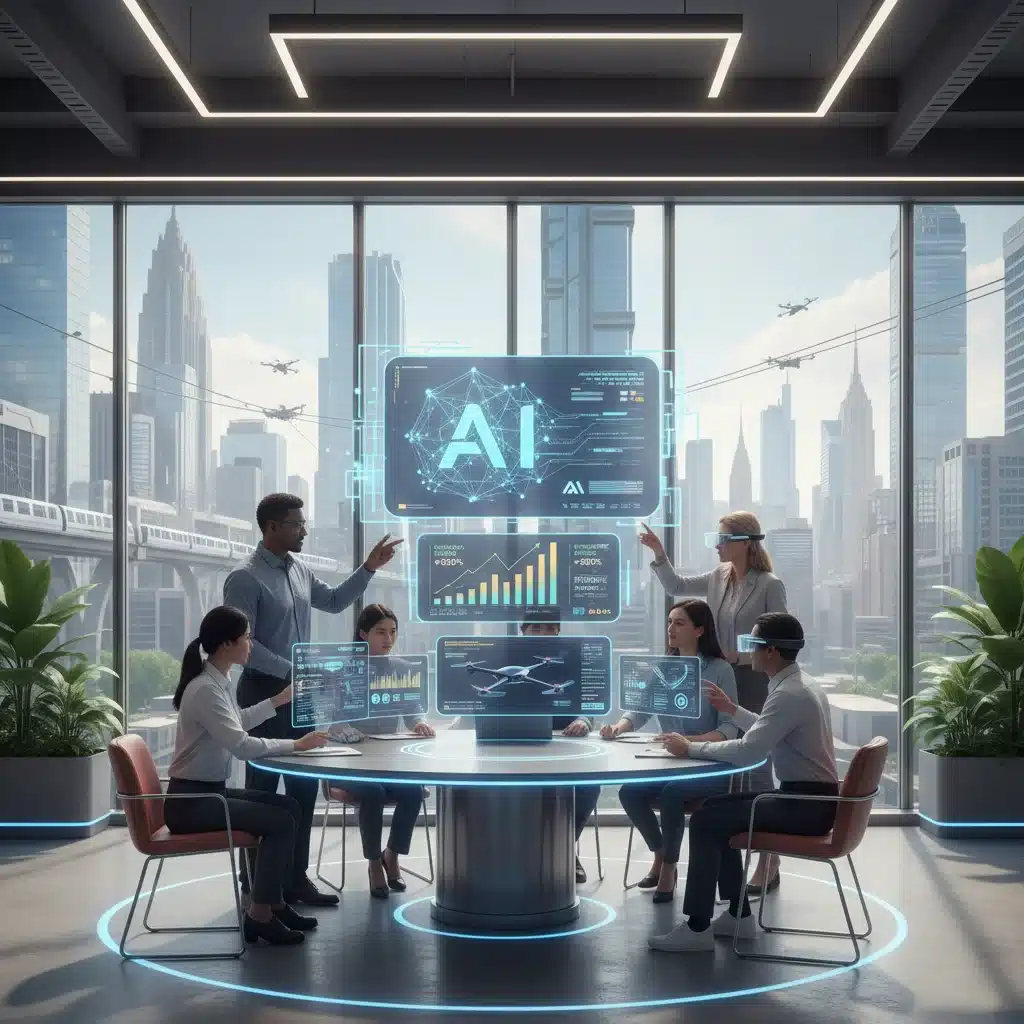
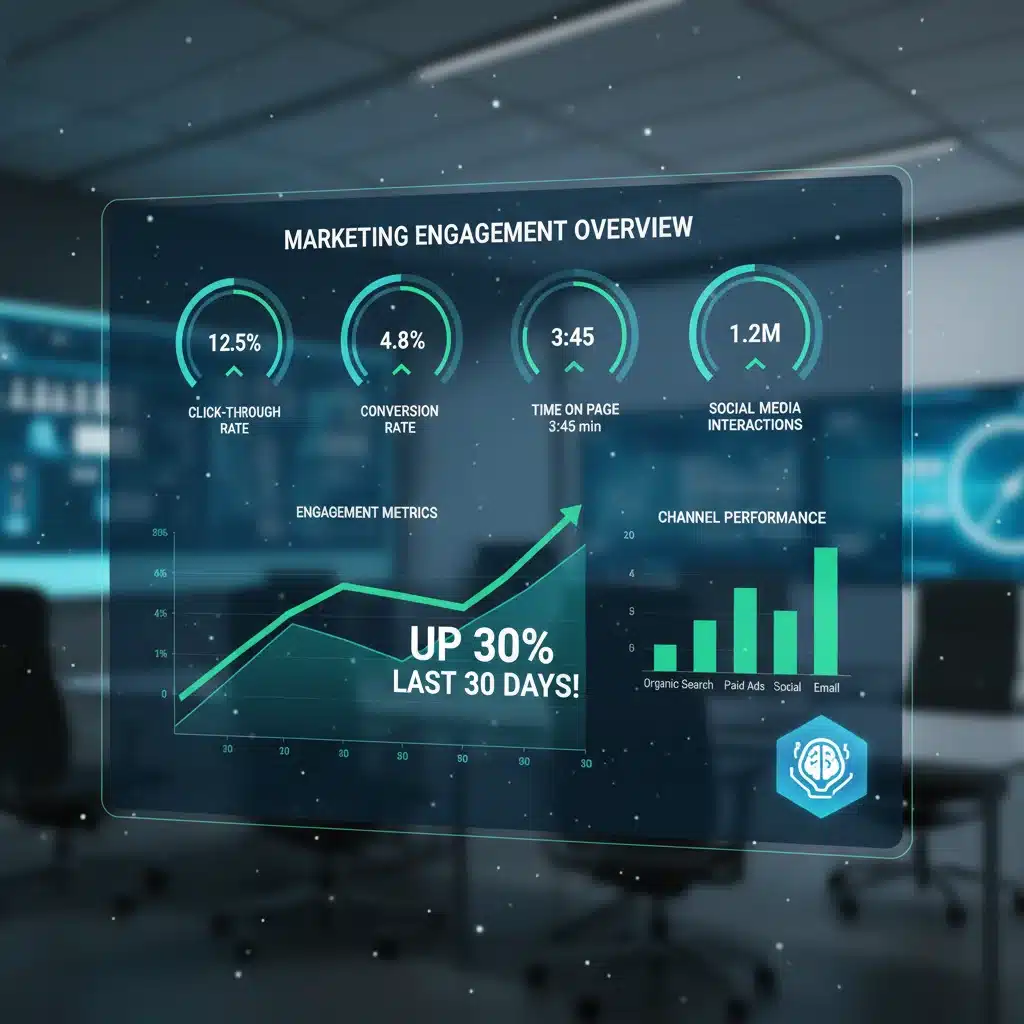
In the rapidly evolving landscape of digital marketing, the advent of Generative AI Marketing stands as a pivotal force, reshaping how brands connect with their audiences. For US marketers, the opportunity to harness generative AI for content creation isn’t just a trend; it’s a strategic imperative aimed at significantly boosting engagement. By 2026, we anticipate that businesses effectively integrating generative AI into their marketing workflows will see an impressive 30% increase in engagement metrics, setting a new benchmark for digital success. This comprehensive guide delves into the mechanisms, benefits, challenges, and future outlook of generative AI in the US marketing sphere, providing actionable insights for marketers eager to stay ahead.
Anúncios
The Dawn of Generative AI in Content Creation
Generative AI refers to artificial intelligence models capable of producing novel content, including text, images, audio, and video, based on patterns learned from vast datasets. Unlike traditional AI that primarily analyzes and predicts, generative AI creates. This capacity for creation has profound implications for content marketing, offering unprecedented efficiencies and creative possibilities. For US marketers, this means moving beyond manual content production to a more automated, data-driven, and personalized approach.
The journey towards widespread adoption of Generative AI Marketing began with early natural language processing (NLP) models, evolving rapidly with the introduction of sophisticated architectures like Transformers and diffusion models. These advancements have made AI-generated content virtually indistinguishable from human-created content in many instances, opening doors for scalable, high-quality content production. In the US market, where competition for consumer attention is fierce, generative AI offers a distinct advantage by enabling marketers to produce a greater volume of diverse, tailored content at speed.
Anúncios
Defining Generative AI and Its Core Capabilities
At its core, generative AI leverages deep learning techniques to understand and reproduce complex data distributions. For content creation, this translates into capabilities such as:
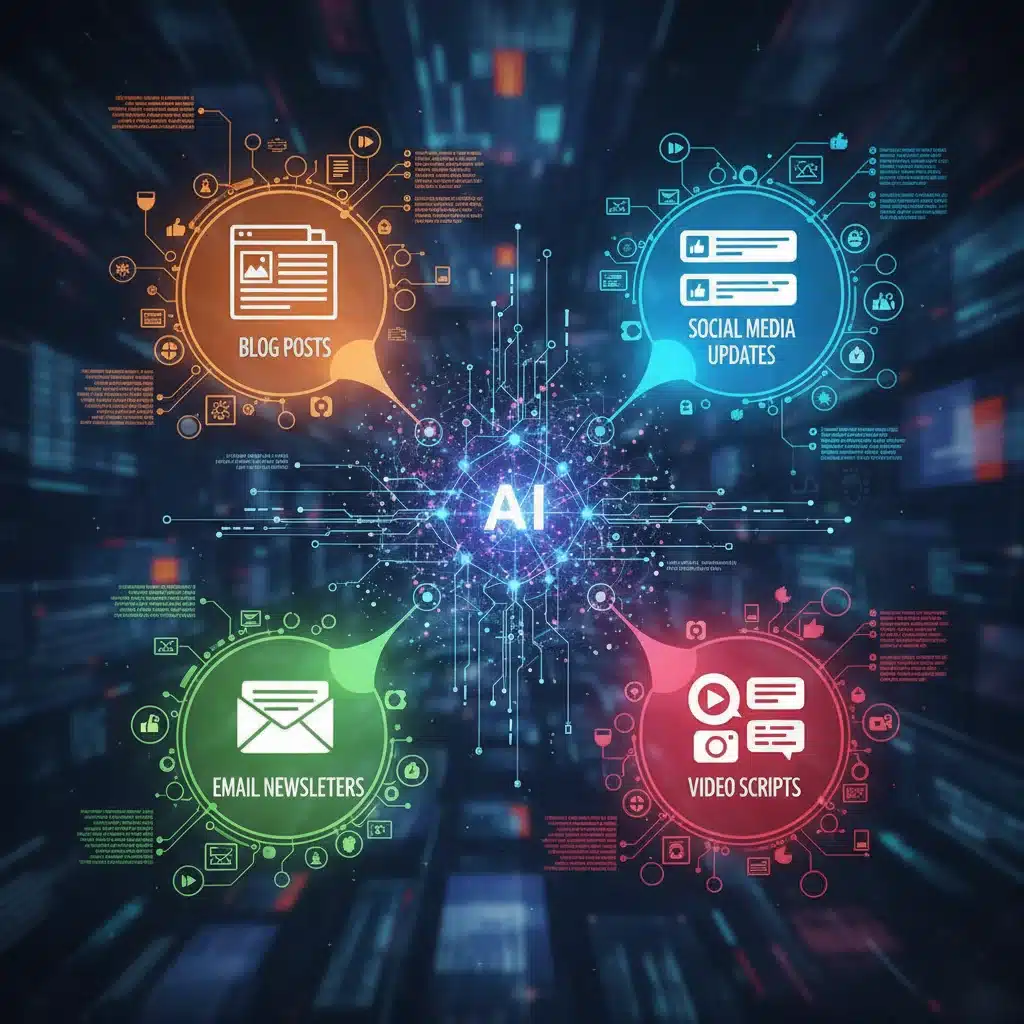
- Text Generation: Crafting blog posts, social media captions, email newsletters, ad copy, and even long-form articles.
- Image and Video Generation: Producing unique visuals, illustrations, product mockups, and short video clips.
- Audio Generation: Creating voiceovers, background music, and sound effects.
- Code Generation: Assisting developers in writing code snippets or entire programs, which can indirectly support marketing by accelerating website or app development.
These capabilities empower marketers to not only automate repetitive tasks but also to explore creative avenues previously constrained by time and resources. The ability to generate variations of content quickly allows for extensive A/B testing, leading to optimized campaigns and, ultimately, higher engagement.
Why US Marketers Must Embrace Generative AI Now
The US marketing landscape is characterized by its dynamism, high consumer expectations, and intense competition. To achieve a 30% increase in engagement by 2026, marketers must adopt innovative strategies, and generative AI is at the forefront of this innovation. Here’s why it’s a non-negotiable tool for the modern US marketer:
Enhanced Personalization at Scale
One of the most significant advantages of Generative AI Marketing is its ability to facilitate hyper-personalization at scale. Traditional marketing often struggles with tailoring content to individual preferences across a large audience due to resource limitations. Generative AI can analyze vast amounts of customer data—demographics, purchase history, browsing behavior, expressed interests—to create highly personalized content for each segment, or even individual. This level of personalization resonates deeply with consumers, fostering stronger connections and driving engagement.
Imagine generating thousands of unique email subject lines, product descriptions, or ad variations, each optimized for a specific micro-segment of your audience. This is not only possible but becoming standard practice with generative AI, leading to significantly higher open rates, click-through rates, and conversions.
Increased Content Velocity and Volume
The demand for fresh, engaging content is relentless. Marketers are constantly challenged to produce more content across more channels, often with limited budgets and teams. Generative AI dramatically boosts content velocity and volume. It can draft multiple versions of content faster than any human, freeing up creative teams to focus on strategy, refinement, and high-level conceptualization rather than rote production.
This increased output means marketers can maintain a consistent presence across all platforms, respond quickly to trending topics, and explore new content formats without significant additional overhead. The ability to populate social media, blogs, email campaigns, and even internal communications with AI-generated content ensures a continuous flow of valuable information to the target audience.
Cost Efficiency and Resource Optimization
By automating content creation, businesses can significantly reduce costs associated with copywriting, graphic design, and video production. While human oversight remains crucial, generative AI can handle the initial drafts, freeing up human talent for more strategic and nuanced tasks. This optimization of resources allows marketing departments to achieve more with existing budgets, or reallocate funds to other critical areas like advanced analytics or experimental campaigns.
The cost savings are not just in labor; they extend to the time saved in content ideation and revision cycles. With AI providing a solid first draft, the time-to-market for new campaigns can be drastically shortened, providing a competitive edge in fast-paced industries.
Strategic Implementation of Generative AI in US Marketing to Hit 30% Engagement
Achieving a 30% increase in engagement by 2026 requires a well-thought-out strategy for integrating Generative AI Marketing. It’s not about replacing human creativity but augmenting it. Here’s how US marketers can strategically implement AI:
1. Content Ideation and Brainstorming
Generative AI can act as an incredibly powerful brainstorming partner. Feed it your target audience, keywords, and campaign goals, and it can generate a plethora of content ideas, headlines, and angles. This helps overcome creative blocks and ensures a diverse range of concepts to explore. For instance, an AI can analyze current trends and competitor content to suggest novel approaches that resonate with your specific audience.
2. Drafting and Outlining Content
For various content types, generative AI can produce initial drafts and outlines. This includes blog posts, articles, social media updates, email sequences, and even video scripts. Marketers can provide a brief, and the AI will generate a structured piece of content, saving hours of initial writing time. This allows human writers to focus on refining, adding unique insights, and injecting brand voice and personality.
3. Personalizing Customer Communications
Leverage generative AI to personalize every touchpoint with your customers. From dynamic email content that adapts to individual preferences to chatbot responses that provide highly relevant information, AI can enhance the customer journey. This personalization extends to product recommendations, promotional offers, and even customer service interactions, making each engagement feel bespoke and valuable.
4. A/B Testing and Optimization
Generative AI excels at producing multiple variations of content for A/B testing. Marketers can generate numerous headlines, calls-to-action, or ad creatives and test them simultaneously to identify what resonates best with their audience. This iterative optimization process, powered by AI, leads to continuous improvements in engagement rates and campaign performance. The speed of AI allows for more tests to be run in a shorter period, accelerating learning and optimization cycles.
5. Multilingual Content Creation for Diverse Audiences
The US market is incredibly diverse, with significant segments speaking languages other than English. Generative AI can translate and adapt content for various linguistic and cultural nuances, enabling marketers to reach broader audiences effectively. This capability is crucial for brands looking to expand their reach and connect with diverse communities across the nation, ensuring inclusivity and relevance.
Key Tools and Technologies for Generative AI Marketing
The market for generative AI tools is booming. US marketers have a plethora of options to choose from, each offering unique strengths. Here are some categories of tools to consider:
- Large Language Models (LLMs): Platforms like OpenAI’s GPT series, Google’s Bard/Gemini, and Anthropic’s Claude are foundational for text generation, summarization, and translation.
- AI Writing Assistants: Tools built on LLMs, such as Jasper, Copy.ai, and Writesonic, offer specialized templates for marketing content like blog posts, ad copy, and social media captions.
- AI Image Generators: DALL-E 2, Midjourney, and Stable Diffusion allow marketers to create unique visuals and illustrations from text prompts, revolutionizing visual content creation.
- AI Video Generators: Platforms like Synthesys and HeyGen enable the creation of realistic AI-generated videos with avatars and voiceovers, ideal for explainer videos or social media snippets.
- AI-Powered Chatbots: Solutions like Intercom and HubSpot’s AI tools integrate generative capabilities to provide more intelligent and personalized customer support and engagement.
Choosing the right tools will depend on specific marketing needs, budget, and the level of integration required with existing systems. A phased approach, starting with text generation and gradually incorporating visual and video AI, can be an effective strategy.
Challenges and Considerations for US Marketers
While the potential of Generative AI Marketing is immense, US marketers must also navigate certain challenges to ensure ethical and effective implementation:
Maintaining Brand Voice and Authenticity
One of the primary concerns is ensuring that AI-generated content aligns with a brand’s unique voice and maintains authenticity. While AI can mimic styles, true brand personality often requires human oversight and refinement. Marketers must establish clear guidelines and robust review processes to ensure AI output meets brand standards and resonates genuinely with the target audience.
Ethical AI Use and Bias Mitigation
Generative AI models learn from existing data, which can sometimes contain biases. If not properly managed, AI can perpetuate or even amplify these biases, leading to content that is discriminatory, inaccurate, or alienating. US marketers must prioritize ethical AI development and deployment, actively working to identify and mitigate biases in their data and models. Transparency about AI usage is also becoming increasingly important for consumer trust.
Data Privacy and Security
Using generative AI often involves feeding it proprietary data, including customer information and campaign specifics. Ensuring data privacy and security is paramount, especially given stringent regulations like CCPA in the US. Marketers must select AI tools and platforms that adhere to the highest security standards and comply with all relevant data protection laws.
Integration with Existing Workflows
Integrating new AI tools into existing marketing workflows can be complex. It requires careful planning, technical expertise, and potentially significant changes to current processes. Marketers need to ensure seamless integration to avoid disruptions and maximize the efficiency gains offered by AI.
The Future of Generative AI in US Marketing: Beyond 2026
Looking beyond 2026, the role of Generative AI Marketing is set to become even more pervasive and sophisticated. We can anticipate several key developments:
Hyper-personalized Customer Journeys
AI will enable dynamic, real-time personalization across entire customer journeys. Every interaction, from initial discovery to post-purchase support, will be uniquely tailored, anticipating customer needs and preferences with unparalleled accuracy. This will lead to truly individualized experiences that foster extreme loyalty and engagement.
Autonomous Marketing Campaigns
The concept of autonomous marketing campaigns, where AI not only generates content but also manages campaign execution, optimization, and reporting, will become a reality. Marketers will set strategic goals, and AI will handle the tactical execution, continuously learning and adapting to achieve the best possible outcomes. This shifts the marketer’s role from executor to strategist and overseer.
Advanced Creative Collaboration
The collaboration between human creatives and AI will evolve. AI will become a more intuitive and powerful co-creator, capable of understanding complex creative briefs and generating sophisticated artistic outputs that push the boundaries of what’s possible. This will unlock new levels of creativity and innovation in marketing campaigns.
Predictive Content Performance
Generative AI, combined with predictive analytics, will be able to forecast the performance of content before it’s even published. This will allow marketers to refine and optimize content proactively, ensuring maximum impact and engagement from the outset. Imagine knowing with high certainty how a particular headline or image will perform before investing resources in its distribution.
Conclusion: Seizing the Generative AI Opportunity for Enhanced Engagement
The imperative for US marketers to embrace Generative AI Marketing is clear. The technology offers an unparalleled opportunity to revolutionize content creation, enhance personalization, drive efficiency, and ultimately achieve significantly higher engagement rates. By strategically implementing generative AI tools and practices, US businesses can confidently target and achieve a 30% increase in engagement by 2026, setting new standards for digital marketing success.
While challenges related to brand voice, ethics, and integration exist, proactive planning, robust governance, and a commitment to continuous learning will enable marketers to overcome these hurdles. The future of marketing is intelligent, personalized, and highly creative, powered by the symbiotic relationship between human ingenuity and generative AI. Those who adapt now will not only survive but thrive in the competitive landscape of tomorrow, forging deeper connections with their audiences and delivering measurable results.