Predictive Maintenance with AI: How US Manufacturers Are Reducing Downtime by 20% This Year

Anúncios
Predictive Maintenance with AI: How US Manufacturers Are Reducing Downtime by 20% This Year
In the fiercely competitive landscape of modern manufacturing, operational efficiency is paramount. Every minute of unplanned downtime translates directly into lost revenue, missed deadlines, and damaged reputations. For years, manufacturers have grappled with the challenge of equipment failures, often relying on reactive or time-based maintenance strategies. However, a revolutionary shift is underway, driven by the power of Artificial Intelligence (AI). US manufacturers, in particular, are at the forefront of adopting AI predictive maintenance, and the results are nothing short of transformative. This year alone, many are projecting a remarkable 20% reduction in downtime, fundamentally altering their operational paradigms and boosting their bottom lines.
The promise of AI predictive maintenance lies in its ability to foresee equipment failures before they occur. Instead of waiting for a machine to break down (reactive maintenance) or performing maintenance at fixed intervals regardless of actual need (preventive maintenance), AI leverages vast datasets to predict when maintenance is truly required. This proactive approach minimizes disruptions, extends asset lifespan, and optimizes maintenance schedules, leading to significant cost savings and enhanced productivity. For US manufacturers facing rising labor costs, supply chain complexities, and intense global competition, AI predictive maintenance isn’t just an advantage; it’s a necessity for survival and growth.
Anúncios
The Genesis of AI Predictive Maintenance
To truly appreciate the impact of AI predictive maintenance, it’s essential to understand its evolution. Historically, maintenance strategies were rudimentary. Early industrial operations often waited for equipment to fail completely before repairing or replacing it. This ‘run-to-failure’ approach, while seemingly simple, led to catastrophic breakdowns, extensive downtime, and often secondary damage to other components or even entire production lines. The costs associated with such unplanned failures were astronomical.
As technology advanced, so did maintenance philosophies. The advent of preventive maintenance marked a significant improvement. Based on manufacturer recommendations or historical failure rates, components were replaced or serviced at predetermined intervals. While this reduced the incidence of sudden failures, it often led to unnecessary maintenance, replacing parts that still had considerable life left, or overlooking impending failures that didn’t align with the fixed schedule. It was a step forward, but still inefficient.
Anúncios
Condition-based monitoring (CBM) emerged as a more sophisticated approach. Sensors were introduced to monitor various parameters like vibration, temperature, and pressure. When these parameters deviated from established norms, it signaled a potential issue, allowing for intervention before a complete breakdown. CBM provided valuable insights but often required human expertise to interpret complex data and make informed decisions, limiting its scalability and real-time responsiveness.
Enter AI predictive maintenance. This paradigm shift integrates CBM with advanced analytics, machine learning (ML), and sometimes deep learning (DL) algorithms. Instead of merely monitoring conditions, AI models learn from historical data, including sensor readings, maintenance logs, operational parameters, and even environmental factors. They identify subtle patterns and correlations that human operators might miss, accurately predicting the likelihood and timing of future equipment failures. This capability allows manufacturers to schedule maintenance precisely when it’s needed, maximizing asset utilization and minimizing downtime.
How AI Predictive Maintenance Works in Practice
The implementation of AI predictive maintenance is a multi-faceted process that involves several key components and stages:
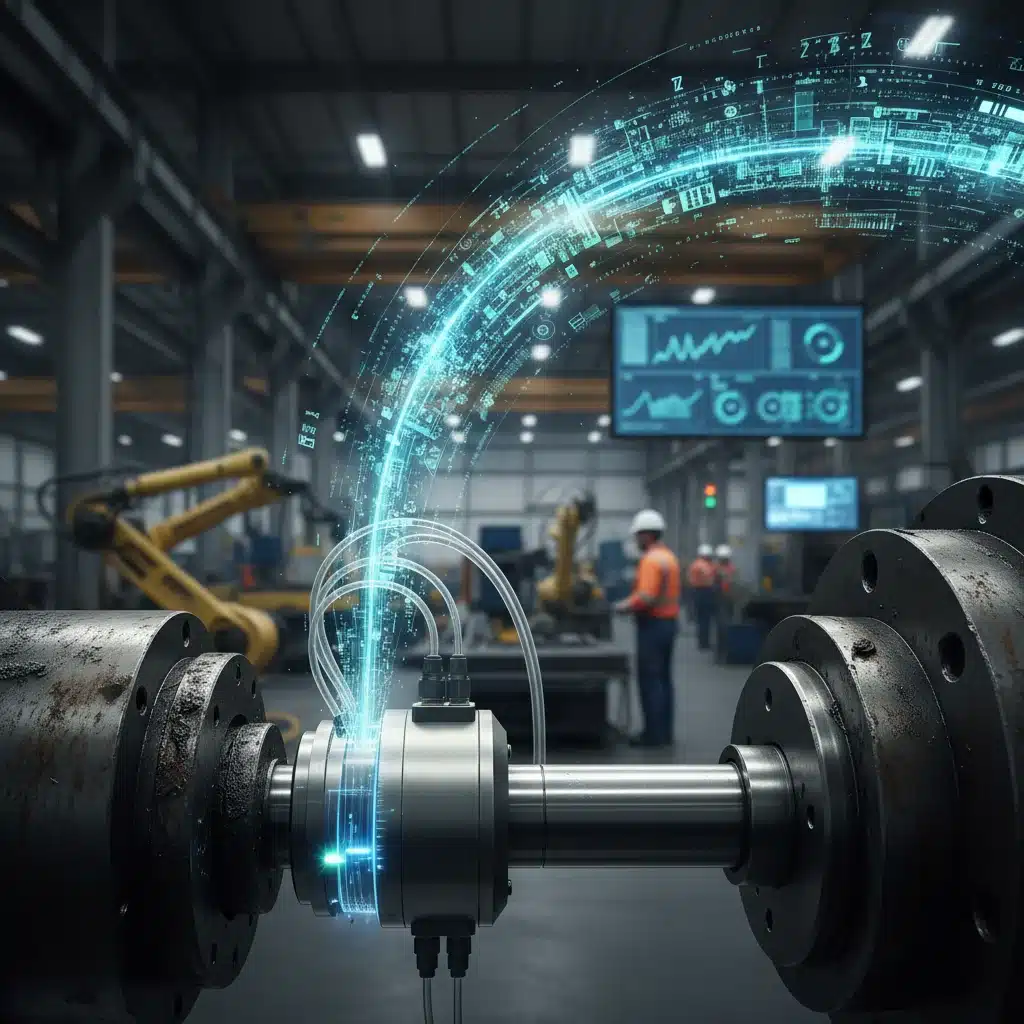
- Data Acquisition: This is the foundation. A vast network of sensors is deployed across critical machinery. These sensors continuously collect real-time data on parameters such as vibration, temperature, pressure, current, voltage, acoustic emissions, and lubricant quality. Modern industrial IoT (IIoT) devices play a crucial role here, enabling seamless data collection and transmission.
- Data Preprocessing and Storage: Raw sensor data is often noisy and incomplete. It undergoes cleaning, normalization, and transformation to make it suitable for AI models. This data is then stored in robust, scalable databases, often in cloud-based platforms, to facilitate easy access and analysis.
- Feature Engineering: Domain experts and data scientists extract meaningful features from the raw data. For instance, instead of just raw vibration data, they might derive features like root mean square (RMS) velocity, peak-to-peak displacement, or frequency spectrum components, which are more indicative of machine health.
- Model Training: Machine learning algorithms are trained on historical data. This data includes both normal operating conditions and instances of past failures, along with the corresponding sensor readings leading up to those failures. The AI model learns the intricate relationships between operational parameters and equipment degradation. Common algorithms include regression models, support vector machines, decision trees, random forests, and neural networks.
- Anomaly Detection and Prediction: Once trained, the AI model continuously analyzes incoming real-time data. It identifies anomalies or deviations from learned healthy patterns. Based on these anomalies and its understanding of failure signatures, the model predicts the probability of an impending failure, estimates its remaining useful life (RUL), and often suggests the most likely failure mode.
- Alerting and Action: When a potential failure is predicted, the system generates alerts for maintenance personnel, often indicating the specific machine, component, and predicted failure window. This allows maintenance teams to schedule interventions proactively, order necessary parts, and allocate resources efficiently, all before a breakdown occurs.
This sophisticated interplay of sensors, data, and intelligent algorithms empowers manufacturers to move from a reactive stance to a truly predictive and prescriptive one. The benefits extend far beyond just reducing downtime, encompassing improved safety, optimized resource allocation, and enhanced overall operational performance.
Tangible Benefits: Why US Manufacturers Are Embracing AI
The 20% reduction in downtime projected by many US manufacturers is just one headline figure. The ripple effects of adopting AI predictive maintenance are extensive and deeply impactful:
- Significant Downtime Reduction: By predicting failures, manufacturers can schedule maintenance during planned downtimes or off-peak hours, eliminating costly unplanned stoppages. This directly translates to higher production uptime and increased throughput.
- Cost Savings: This is multi-faceted. Reduced unplanned downtime means less lost production. Proactive maintenance often involves simpler, less expensive repairs compared to emergency fixes after a catastrophic failure. Furthermore, optimizing maintenance schedules reduces unnecessary part replacements and labor costs associated with routine, time-based maintenance.
- Extended Asset Lifespan: By addressing minor issues before they escalate, AI predictive maintenance helps maintain equipment in optimal condition, extending its operational life and delaying capital expenditures on new machinery.
- Improved Safety: Malfunctioning equipment can pose significant safety risks to personnel. By preventing unexpected failures, AI contributes to a safer working environment, reducing the likelihood of accidents and injuries.
- Optimized Inventory Management: With accurate predictions of component wear and failure, manufacturers can optimize their spare parts inventory. They can stock critical parts precisely when needed, reducing carrying costs and avoiding stockouts that could lead to further downtime.
- Enhanced Maintenance Planning: AI provides maintenance teams with clear, actionable insights, allowing them to plan resources, tools, and personnel effectively. This leads to more efficient maintenance operations and better utilization of skilled labor.
- Better Product Quality: Consistent machine performance, free from unexpected breakdowns, contributes to more consistent product quality and fewer defects.
- Competitive Advantage: Manufacturers who can consistently deliver on time, with high-quality products, and at competitive prices, gain a significant edge in the market. AI predictive maintenance directly supports these goals.
Challenges and Considerations for Implementation
While the benefits are compelling, implementing AI predictive maintenance is not without its challenges. Manufacturers need to approach this transformation strategically:
- Data Infrastructure: A robust data infrastructure is essential. This includes deploying appropriate sensors, establishing reliable data collection mechanisms (wired or wireless), and setting up secure and scalable data storage solutions, often in the cloud.
- Data Quality and Quantity: AI models are only as good as the data they’re trained on. Manufacturers need access to high-quality, relevant historical data, including failure events. In some cases, ‘cold start’ problems can arise where insufficient historical data exists, requiring initial data collection efforts.
- Integration with Existing Systems: AI predictive maintenance solutions need to integrate seamlessly with existing Enterprise Resource Planning (ERP), Manufacturing Execution Systems (MES), and Computerized Maintenance Management Systems (CMMS). This ensures data flow and operational alignment.
- Skilled Workforce: Implementing and managing AI solutions requires a workforce with new skills, including data scientists, AI engineers, and maintenance technicians trained in interpreting AI insights and working with smart technologies. Upskilling and reskilling programs are crucial.
- Cybersecurity Concerns: Connecting industrial assets to networks and the cloud introduces cybersecurity risks. Robust security measures are paramount to protect sensitive operational data and prevent malicious attacks.
- Cost of Initial Investment: The initial investment in sensors, software, infrastructure, and training can be substantial. However, the long-term ROI typically far outweighs these upfront costs.
- Change Management: Shifting from traditional maintenance practices to an AI-driven approach requires significant organizational change management. Employees need to understand the benefits, be trained, and embrace new workflows.
Addressing these challenges proactively is key to a successful AI predictive maintenance deployment. Many manufacturers choose to start with pilot projects on critical assets to demonstrate value and build internal expertise before scaling across their operations.
Case Studies: US Manufacturers Leading the Way
Across various sectors, US manufacturers are already reaping the rewards of AI predictive maintenance. Here are illustrative examples:
- Automotive Industry: A major US automotive manufacturer implemented AI to monitor robotic welding arms and assembly line machinery. By analyzing vibration and temperature data, their AI system began predicting component failures days in advance. This allowed them to switch from scheduled weekly maintenance to condition-based interventions, reducing unplanned downtime on critical lines by 18% in the first year and saving millions in production losses.
- Food & Beverage: A large food processing plant utilized AI on its packaging machinery, conveyors, and refrigeration units. The AI models identified subtle anomalies in motor current and bearing temperatures, indicating impending failures long before traditional methods. This led to a 25% reduction in maintenance costs and a significant improvement in product freshness due to fewer line stoppages.
- Heavy Industry (Mining/Metals): In a US steel mill, AI predictive maintenance was deployed on critical rolling mills and blast furnace components. The extreme operating conditions in such environments make traditional maintenance challenging. AI models, trained on years of operational data, now provide early warnings for equipment degradation, enabling proactive repairs and avoiding costly, dangerous, and time-consuming breakdowns. They reported a 22% increase in asset availability.
- Aerospace Manufacturing: An aerospace component manufacturer integrated AI with their CNC machines and composite fabrication equipment. The precision required in aerospace demands flawless operation. AI helps monitor tool wear, spindle health, and material processing parameters, ensuring consistent quality and preventing expensive scrap due to machine malfunction. Their projected downtime reduction for high-value assets is over 20%.
These examples underscore the versatility and efficacy of AI predictive maintenance across diverse manufacturing environments. The common thread is the proactive identification of potential issues, leading to optimized operations and substantial financial benefits.
The Future of AI Predictive Maintenance
The journey of AI predictive maintenance is still unfolding. The future promises even more sophisticated capabilities and widespread adoption:
- Edge AI: Processing data closer to the source (at the ‘edge’ of the network) will become more prevalent. This reduces latency, conserves bandwidth, and enhances real-time responsiveness, crucial for ultra-critical applications.
- Generative AI for Root Cause Analysis: While current AI excels at prediction, future iterations, especially with generative AI, could provide more intuitive and comprehensive root cause analyses, suggesting not just that a failure will occur, but precisely why and how to prevent it.
- Digital Twins: The integration of AI predictive maintenance with digital twin technology will create highly accurate virtual replicas of physical assets. These digital twins can simulate various scenarios, test maintenance strategies, and predict behavior with unprecedented precision.
- Prescriptive Maintenance: Moving beyond just predicting failures, AI will increasingly recommend specific actions to take, including optimal maintenance schedules, required parts, and even detailed repair procedures, further automating and optimizing maintenance workflows.
- Autonomous Maintenance: In the long term, AI could enable a form of autonomous maintenance where machines self-diagnose, self-heal minor issues, and automatically schedule and coordinate human intervention for more complex problems, pushing factories towards lights-out operations.
These advancements will further solidify AI’s role as an indispensable tool for manufacturers seeking to achieve peak operational performance and maintain a competitive edge in a rapidly evolving global market. The US manufacturing sector, with its innovative spirit and drive for efficiency, is well-positioned to lead this charge.

Integrating AI Predictive Maintenance into Your Strategy
For US manufacturers considering or in the early stages of adopting AI predictive maintenance, a structured approach is vital:
- Assess Current State: Begin by evaluating your current maintenance practices, identifying pain points, and understanding the cost of unplanned downtime for critical assets.
- Identify Critical Assets: Not all assets require the same level of predictive monitoring. Prioritize machinery that is critical to production, has high failure rates, or whose failure would incur significant costs.
- Pilot Project: Start small with a pilot project on a few selected critical assets. This allows you to test the technology, gather initial data, demonstrate ROI, and build internal expertise without a massive upfront commitment.
- Partner with Experts: Consider collaborating with AI and IIoT solution providers who have proven experience in manufacturing. Their expertise can accelerate implementation and mitigate risks.
- Invest in Data Infrastructure: Ensure you have the necessary sensor technology, data connectivity, and secure data storage solutions in place.
- Develop Internal Capabilities: Invest in training your workforce. Maintenance technicians, engineers, and IT staff will need new skills to leverage AI effectively.
- Scale Incrementally: Once the pilot project demonstrates success, gradually scale the AI predictive maintenance program to other assets and production lines.
- Continuous Improvement: AI models are not static. Continuously monitor their performance, retrain them with new data, and refine your strategies based on insights gained.
By following these steps, US manufacturers can effectively integrate AI predictive maintenance into their operational strategy, unlocking its full potential to drive efficiency, reduce costs, and enhance overall resilience.
Conclusion: A New Era of Manufacturing Efficiency
The evidence is clear: AI predictive maintenance is no longer a futuristic concept but a tangible, impactful reality for US manufacturers. The projected 20% reduction in downtime this year is a testament to its immediate and profound benefits. By moving beyond reactive and time-based maintenance, manufacturers are embracing a data-driven, proactive approach that not only prevents costly breakdowns but also optimizes resource allocation, extends asset life, and enhances workplace safety.
As the manufacturing industry continues its journey into Industry 4.0, AI predictive maintenance will remain a cornerstone technology. Its ability to transform operational efficiency, boost profitability, and strengthen competitive positioning makes it an indispensable tool for any US manufacturer committed to innovation and excellence. Those who embrace this powerful technology today will undoubtedly be the leaders of tomorrow, demonstrating that intelligence, when applied to maintenance, can create a truly resilient and high-performing industrial landscape.


